


Social Studies Foundation is a company which believes in a discrimination free society. We are committed to Identifying the problems of the deprived classes and finding solutions thereof. Our endeavour is to identify people who contribute towards promoting harmony and equality in the society and acknowledge their contribution. We would also like to be a contributor to the policy making in the related areas. We firmly believe that positive thoughts and actions would help dissolve the barriers and enable building up a harmonious society.
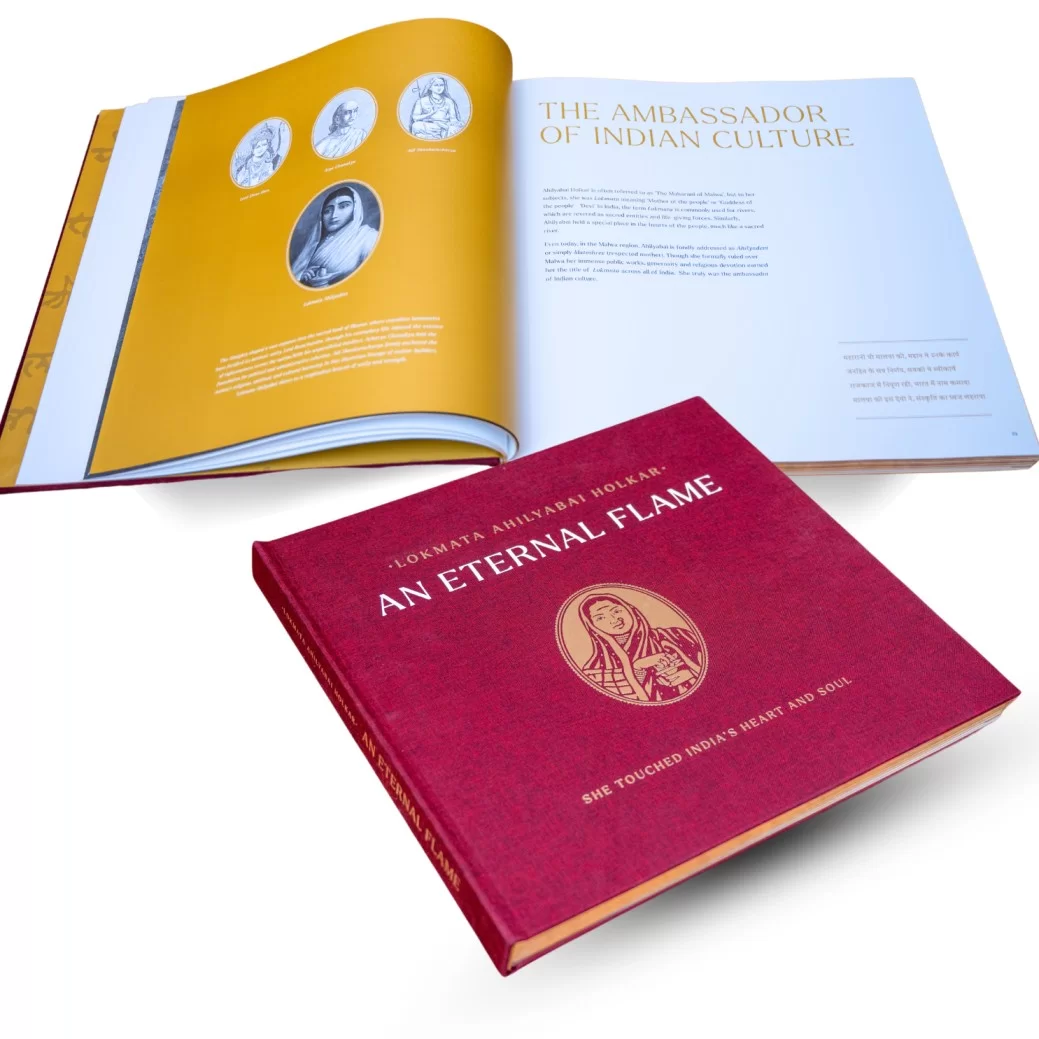
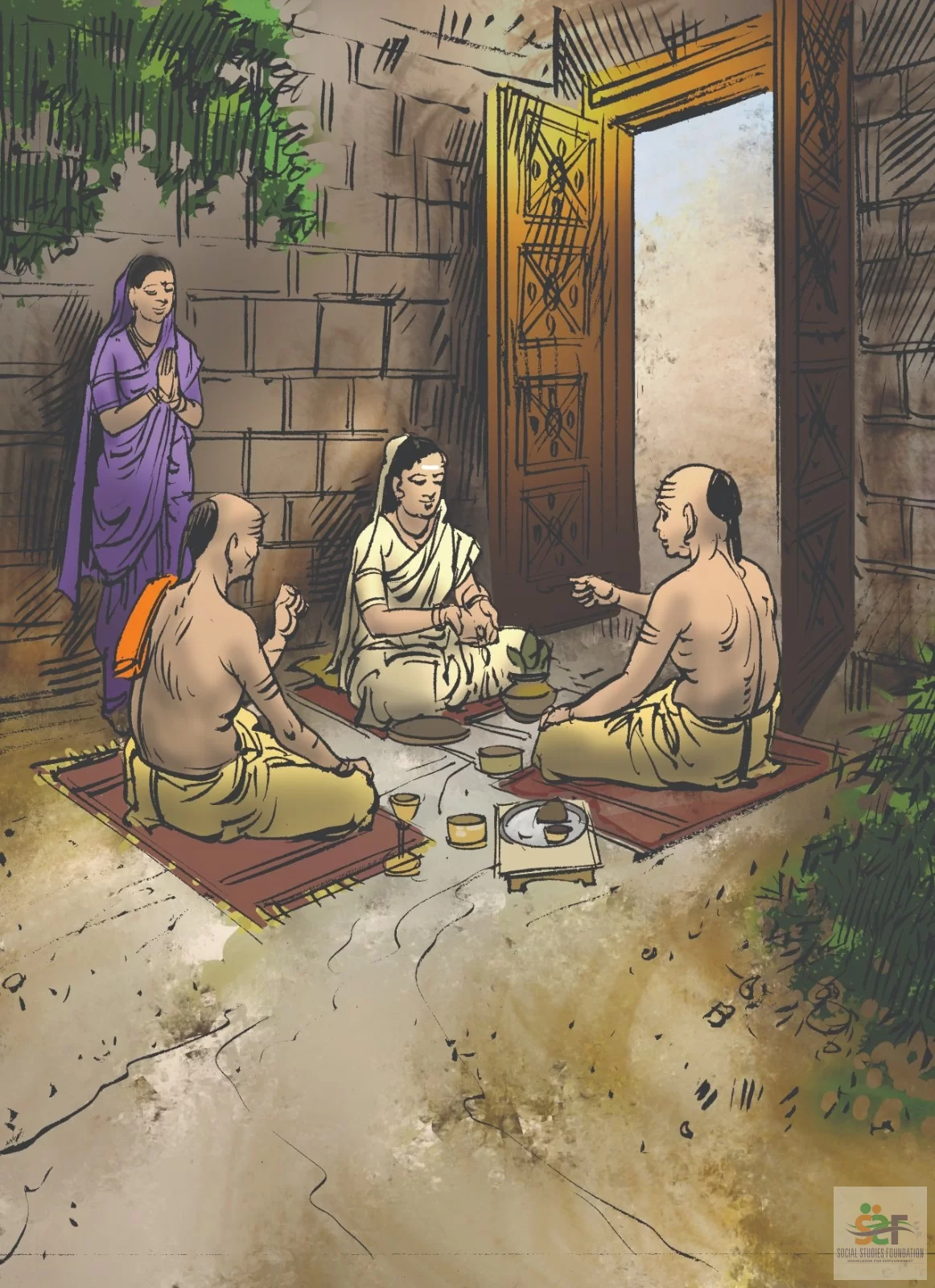
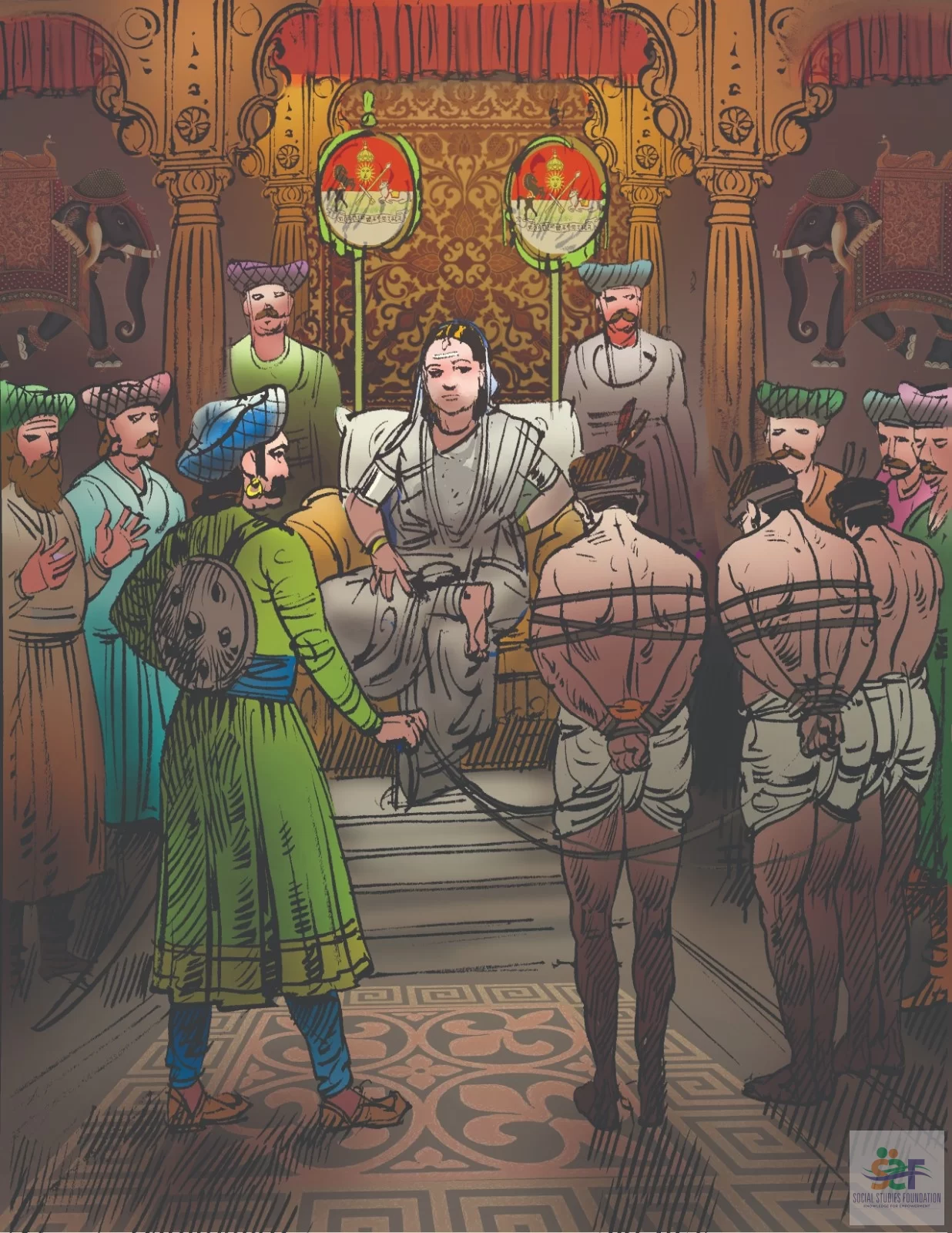
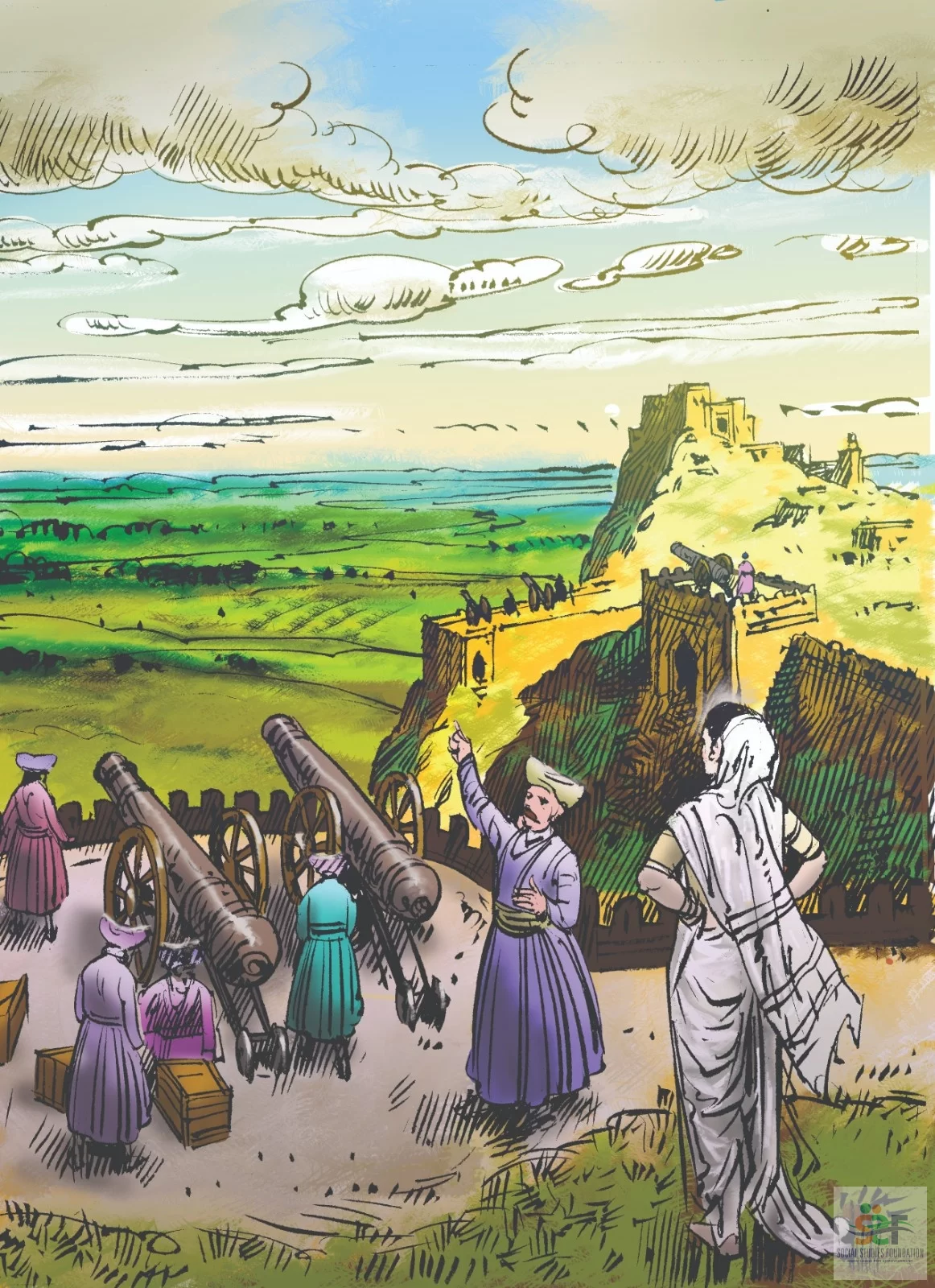
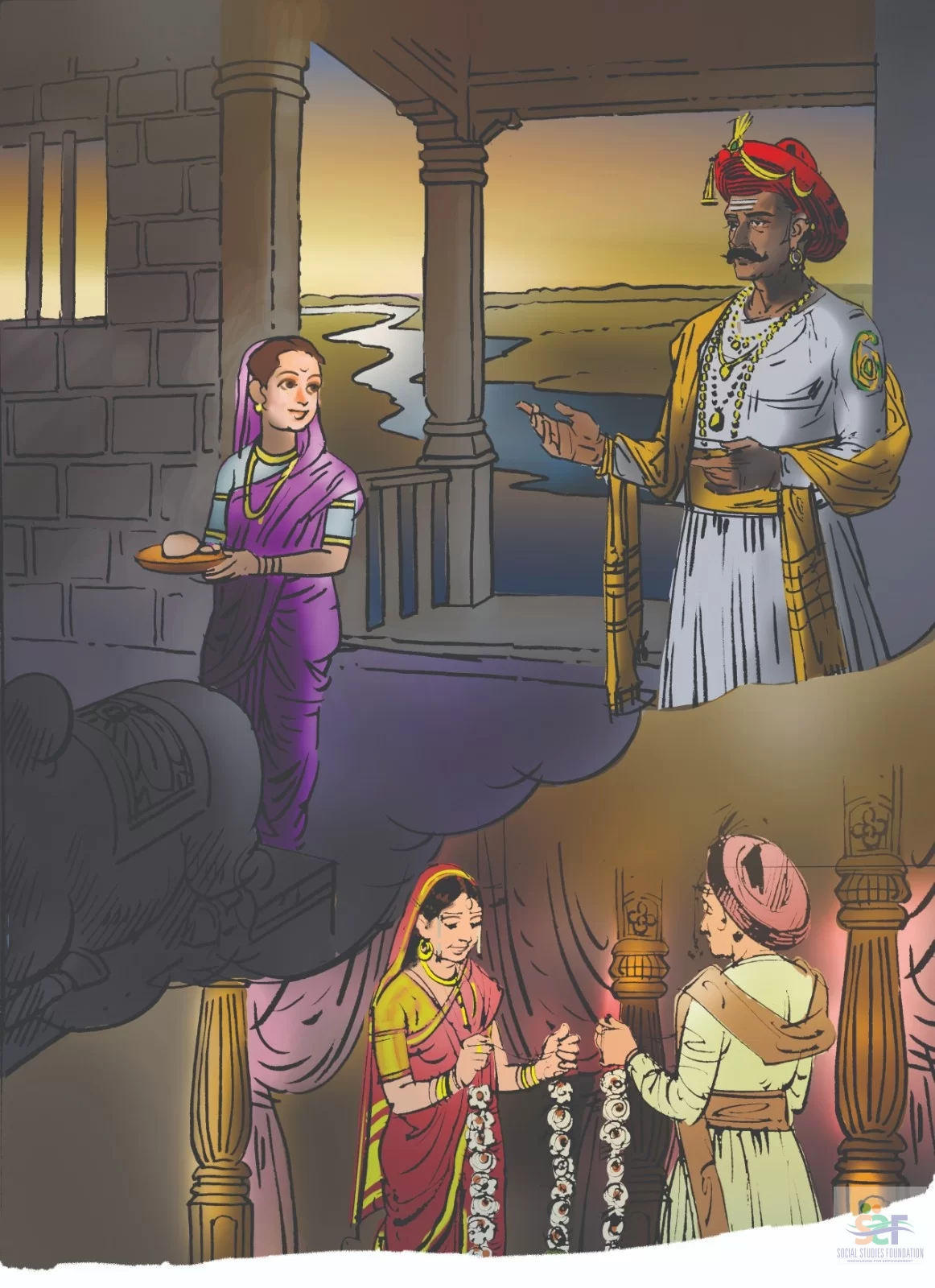
Lokmata Ahilyabai Holkar’s reign stands as a luminous chapter in the annals of Indian history.
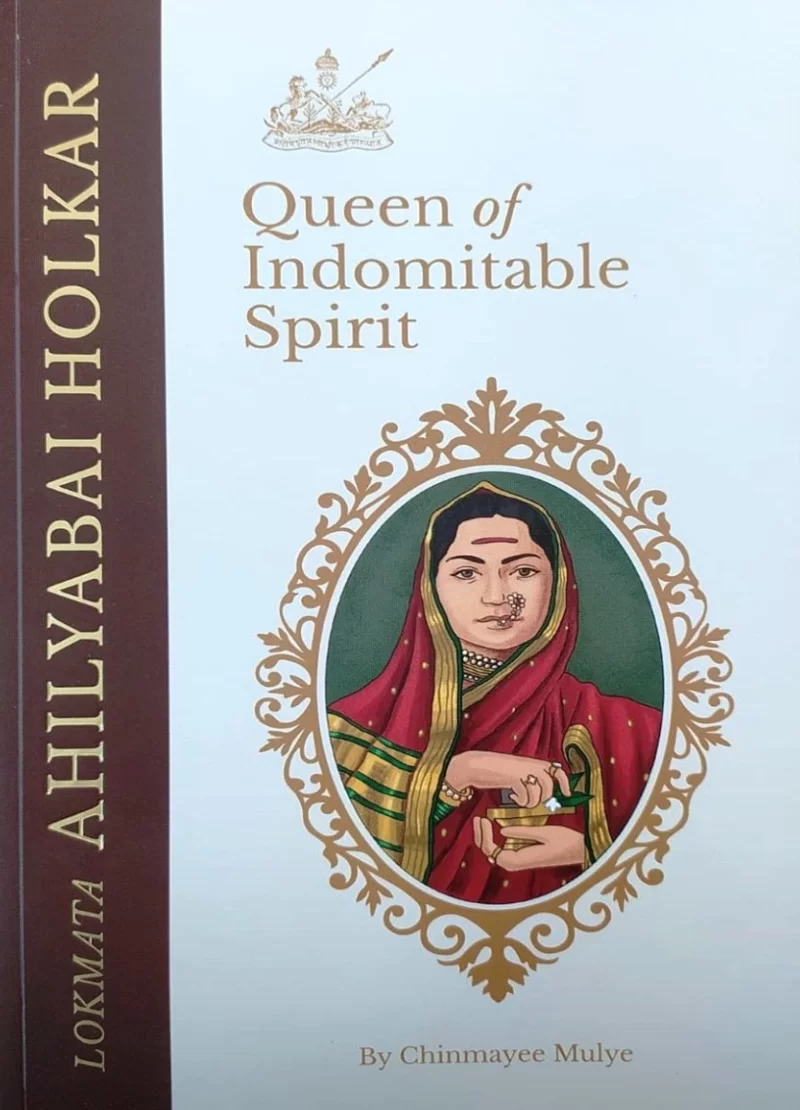
Ahilyadevi’s legacy extends beyond governance; she was a trailblazer for women’s empowerment.
Ahilyadevi’s legacy extends beyond governance; she was a trailblazer for women’s
empowerment. Rejecting the notion of women confined to domestic
Read more
Rajarshi Shahu Maharaj was one the most popular King with an absolute vision. Originally
born as Yashwant in the Ghatge family in Kagal on 26th June
Read more
Social reforms were taking shape in the 19th century in India. The role of Maharaja Sayajirao Gaikwad has been vital in it. Social Reforms Means Relig
Read more
Maharashtra is generally called the land of saints. Along with saints, this land has always been the flourishing ground for social reformers in India
Read more
A prominent social reformer, a renowned activist, a great thinker, and a noble 'Soul,' Jyotirao Govindrao Phule did his best to bring positive change
Read more
Without the attainment of new goals, without understanding the meaning of new types of social goals, the tendency to destroy traditional social instit
Read more

भारत के अनकहे और अनसुने नायकों जिनका बहुत ही महत्व है | भारतीय संस्कृति और भारतीय स्वतन्त्रता में उन सभी ने बड़ा योगदान दिया है बलिदान दिया है | ऐसे अनकहे लोगों को प्रकाशन की दुनिया में लाकर हम हमारी माटी और हमारी संस्कृति का सम्मान कर रहे हैं | आइये आप अन्य लोग भी इस अभियान से जुड़े |
Thanks to the Padma Shri recipient Dr Asavadi Prakasa Rao who shared with me the 14th Dec 2021 issue (Vol. 1) of your Unheard Voices, I am very much touched with the report "Unrecognised" therein. The hardships and accomplishments of 15 of our SC/ST brethren and sisters brought tears of joy to me. I am a Brahmin having love & affection for the people of SC/ST communities. Your positive & constructive approach for ushering in an India of social harmony is the need of the hour and highly laudable as well as emulable. By the way, I was the official guest accompanying Dr Asavadi Prakasa Rao to the Rashtrapati Bhavan for the Padma investiture ceremony. Warm regards.
Unheard Voices actually covered not only unheard voices but also understood communities by major parts of society and which is the need of hour. India can become a super power only when grassroots people of India are allowed to put their contribution in this growth & it is possible only when they will get some job/work to earn their bread & butter. When we talk about GDP growth 8.5% lets focus on small scale industry. Bangladesh has already proven it by microfinance policy. Bangladeshi social entrepreneur, banker, economist and civil society leader Dr. Mohamad Yunus Founder of Grameen Bank and pioneering the concepts of microcredit and microfinance. This type of revolutionary concept can be adopted, implemented strongly to create economic and social development from a lower level. Peace and prosperity cannot be achieved unless large population groups find ways in which to break out of poverty. Development must be made by contributed by and shared by each and every part of the society irrespective of their caste, religion, tradition. Unheard Voices is a great effort to make awareness of it.











Newsletter
Copyright © 2025, Social Studies Foundation. All Rights Reserved
Website developed by Altbit